What size portable power station do I need?
Add up the watts of what you want to run at the same time — that must stay below the unit's continuous output. Then multiply each device's watts by the hours you need it; the total should fit within roughly 80–90% of the rated Wh, because conversion losses reduce usable energy.
Is 1000Wh enough for home backup?
For short outages and essentials — lights, router, phones, a laptop, possibly a fridge for some hours — often yes. It will not run a whole house or central air. If you expect long outages, choose an expandable model.
Can a portable power station run a refrigerator?
Usually, if the station's continuous output and surge cover the fridge's running watts and start-up spike. Check the fridge's label. Runtime depends on how often the compressor cycles, so it varies widely.
Can these power stations be charged with solar panels?
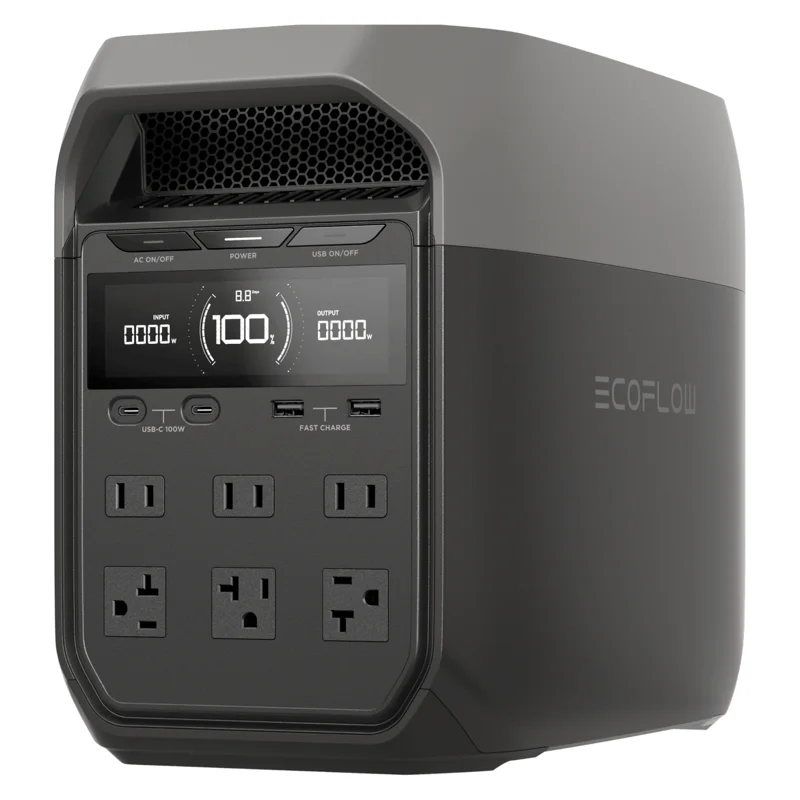
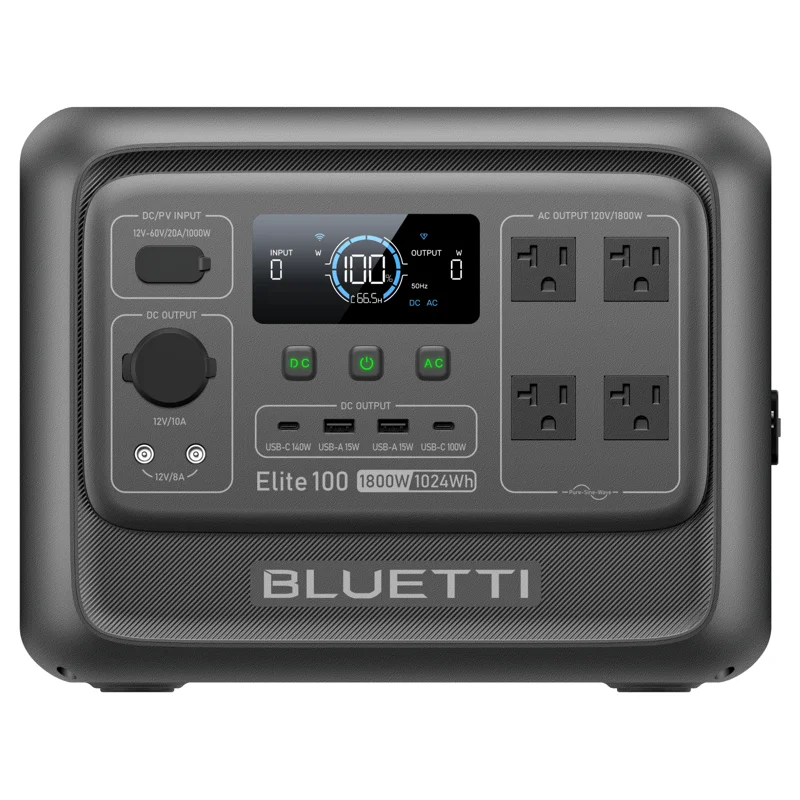
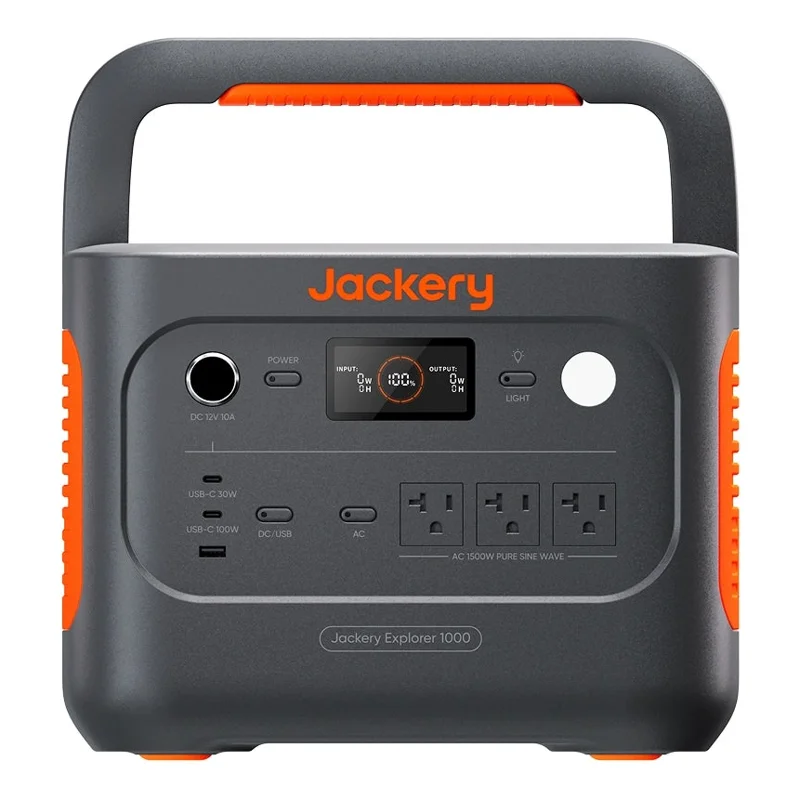
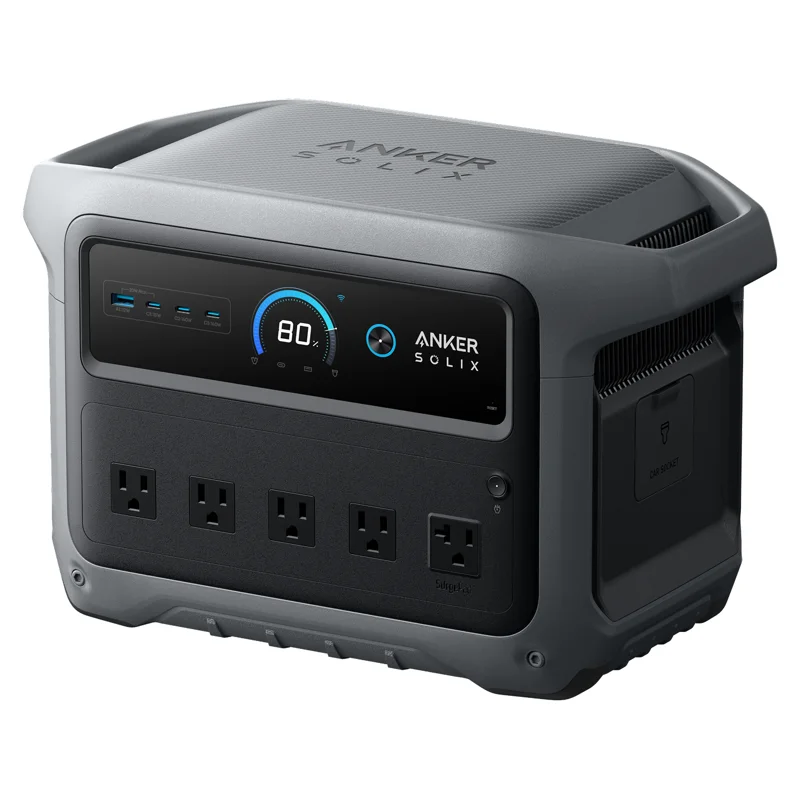
Yes, all four accept solar input — from 400W (Jackery) to 1,000W (BLUETTI). Real-world solar charging depends on sunlight, panel angle and temperature, so expect less than the maximum.
What is the difference between a portable power station and a generator?
A power station stores electricity in a battery: it is silent, has no emissions and can be used indoors, but its energy is limited. A fuel generator makes power continuously while it has fuel, but it is loud, needs maintenance and must never run indoors.
Is LiFePO4 better for a portable power station?
LiFePO4 (LFP) cells typically last many more charge cycles and are more thermally stable than older lithium-ion chemistries, at the cost of being somewhat heavier per Wh. All four models here use LiFePO4.